Campaign #5
July-August 2024
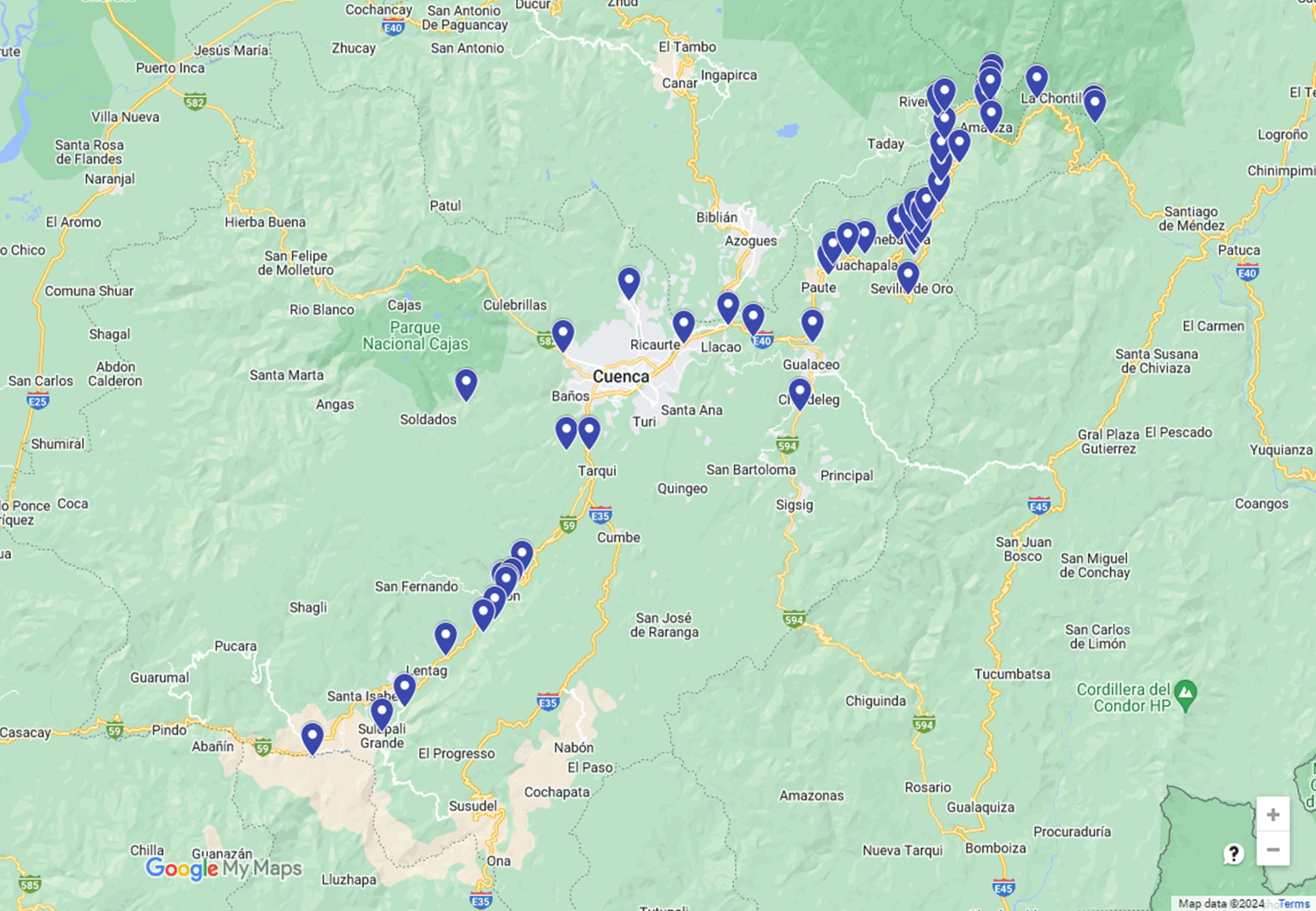 On Monday 22 July, we headed out to the field for the first day of the fifth campaign. By now, the experience of
the previous campaigns came in handy to access the selected sampling sites and organise the logistics of the field visits.
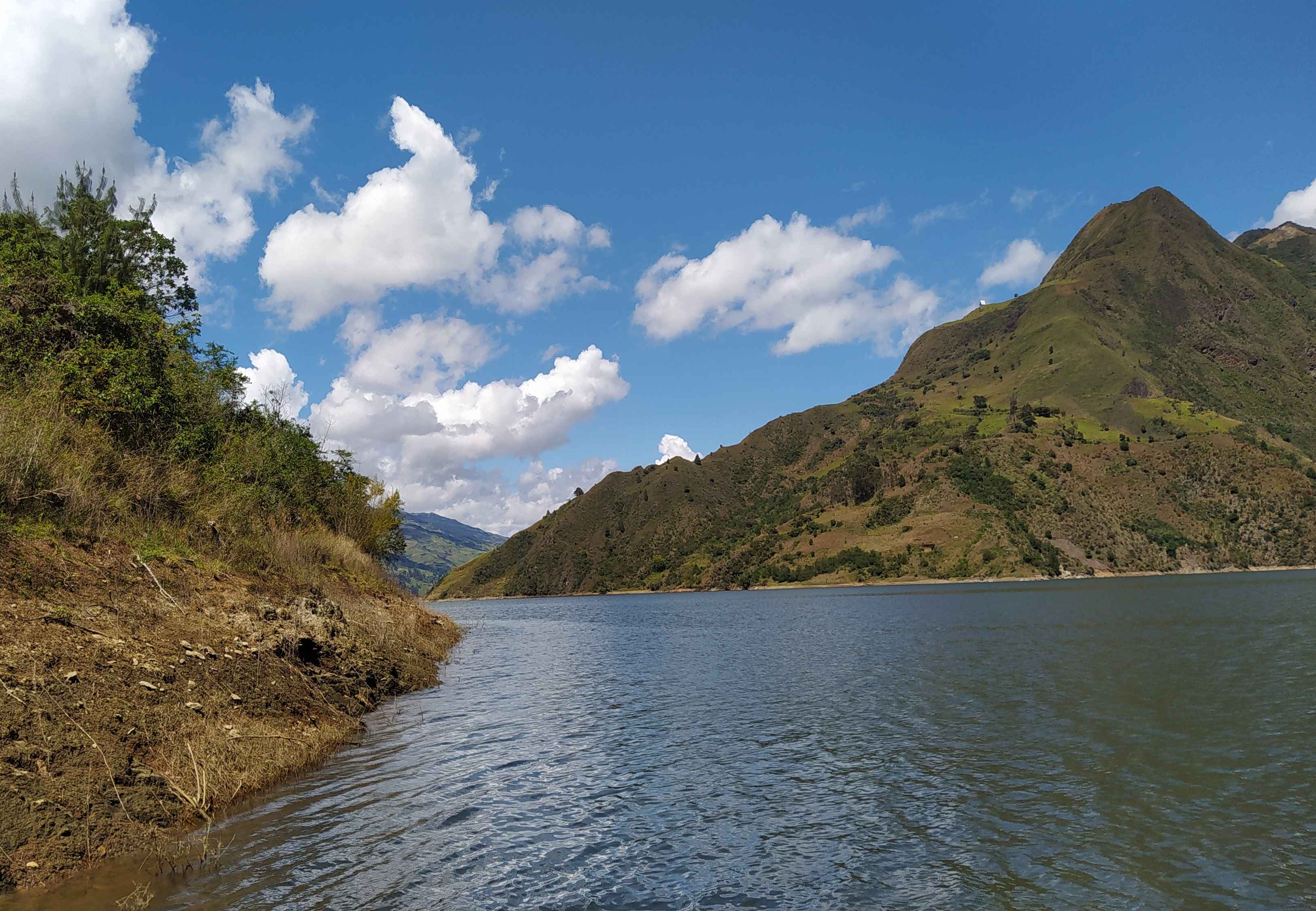
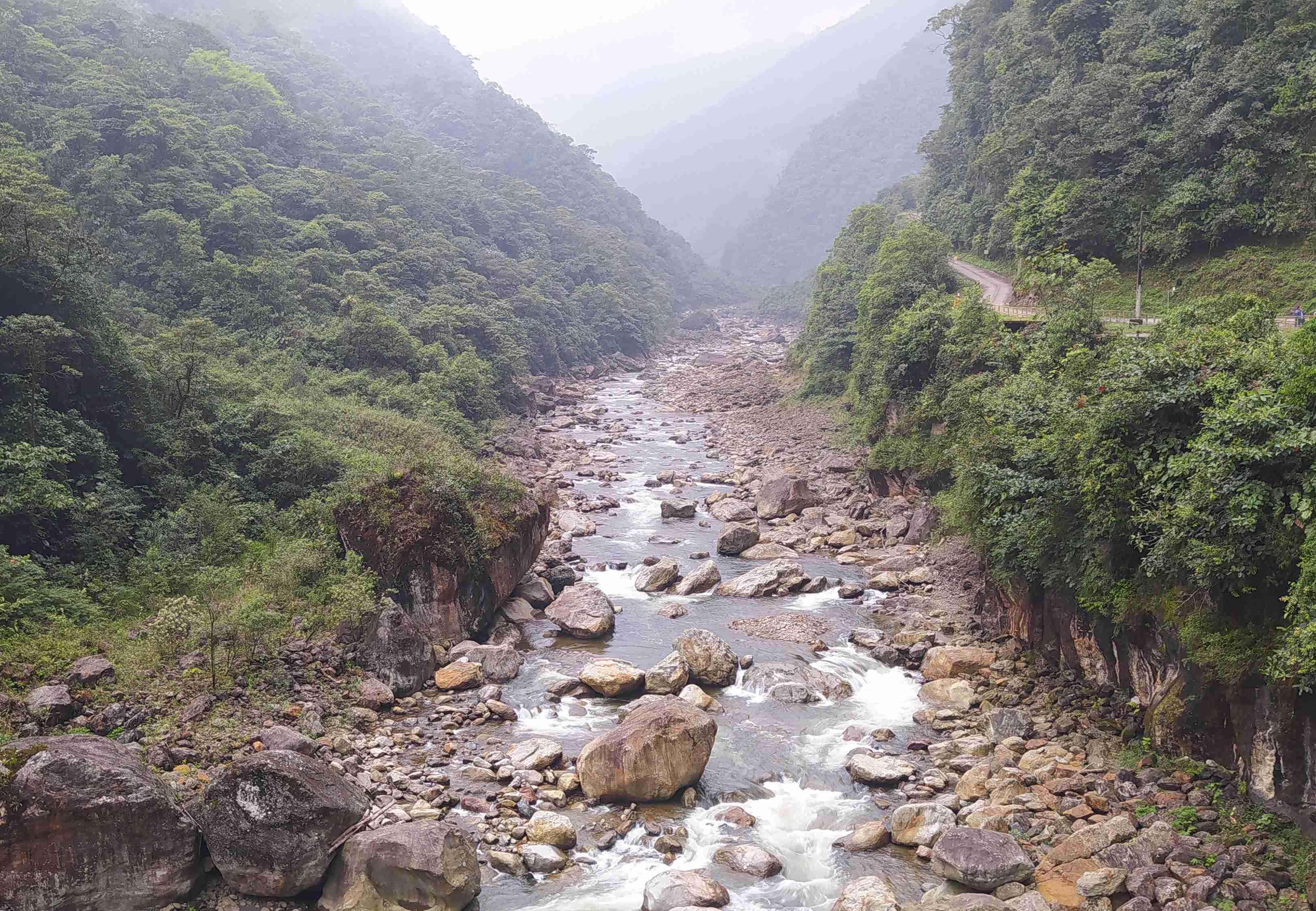
The dry season has had a clear impact on the water levels in the rivers, while the reservoirs seemed to have recovered well
from the drought in the previous months. In the end, 52 accessible sites were selected: 31 river/stream sites
and 21 reservoir sites.
On Monday 22 July, we headed out to the field for the first day of the fifth campaign. By now, the experience of
the previous campaigns came in handy to access the selected sampling sites and organise the logistics of the field visits.
The dry season has had a clear impact on the water levels in the rivers, while the reservoirs seemed to have recovered well
from the drought in the previous months. In the end, 52 accessible sites were selected: 31 river/stream sites
and 21 reservoir sites.
Abiotic conditions
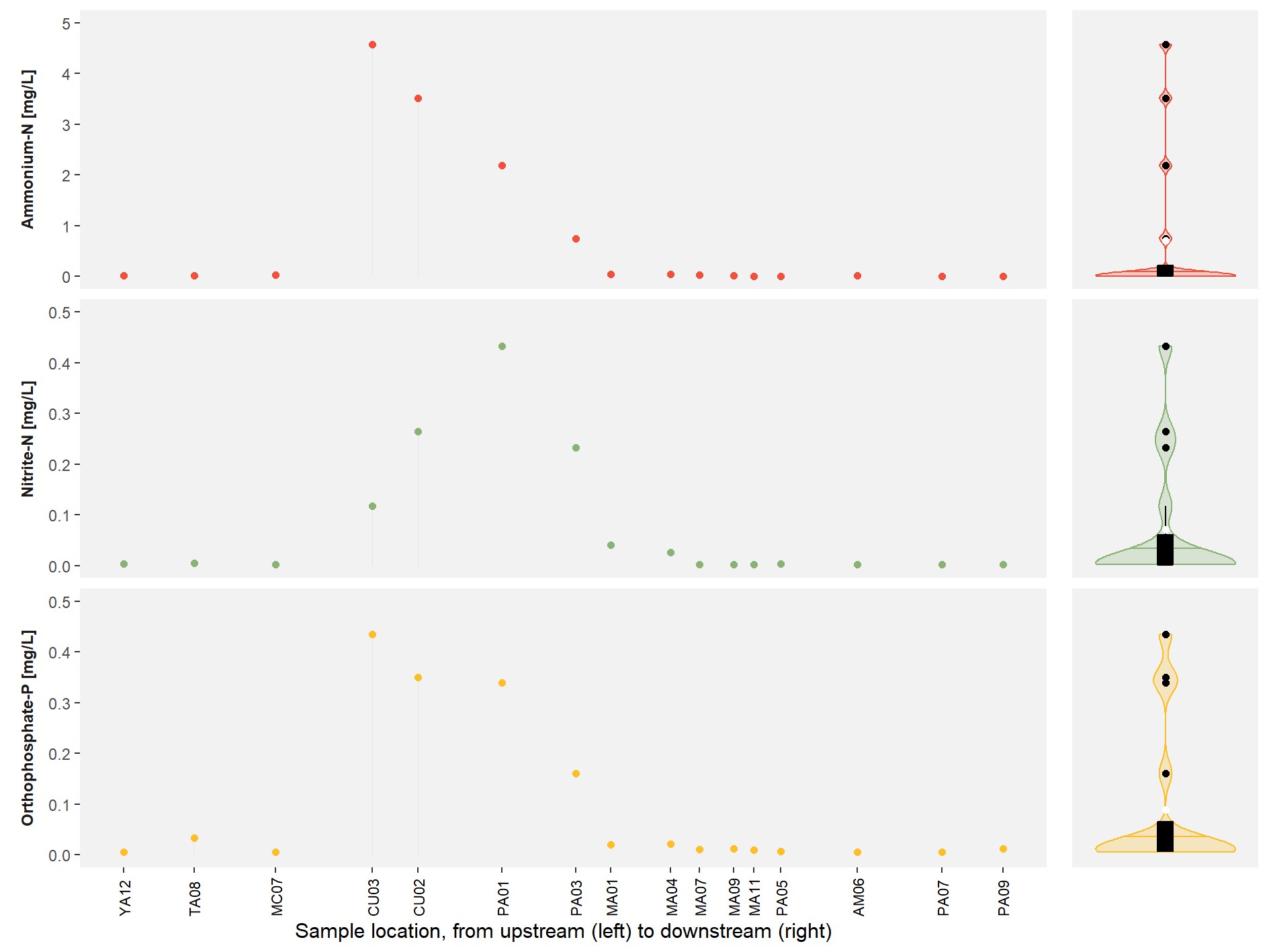
We collected information on the abiotic conditions in each of the 52 sampling sites. To get this data, we made use of a multiprobe (a device that measures several conditions at once) on-site and USEPA approved test kits to determine the nutrient concentrations off-site. The collection of this data confirmed the patterns of the previous campaigns and are in line with what we expected. For instance, ammonium and nitrite concentrations directly downstream of the city of Cuenca (site CU03, followed by CU02 and PA01) were two to three times higher than what we observed in July/August 2023. Also orthophosphate concentrations were clearly higher than before. It is not unthinkable that the extreme drought played a role in these excessive nutrient levels. Equally interesting is the decreasing nutrient levels in the downstream direction, which shows that the Paute river system is able to recover from a signicant pollution event.
Greenhouse gases
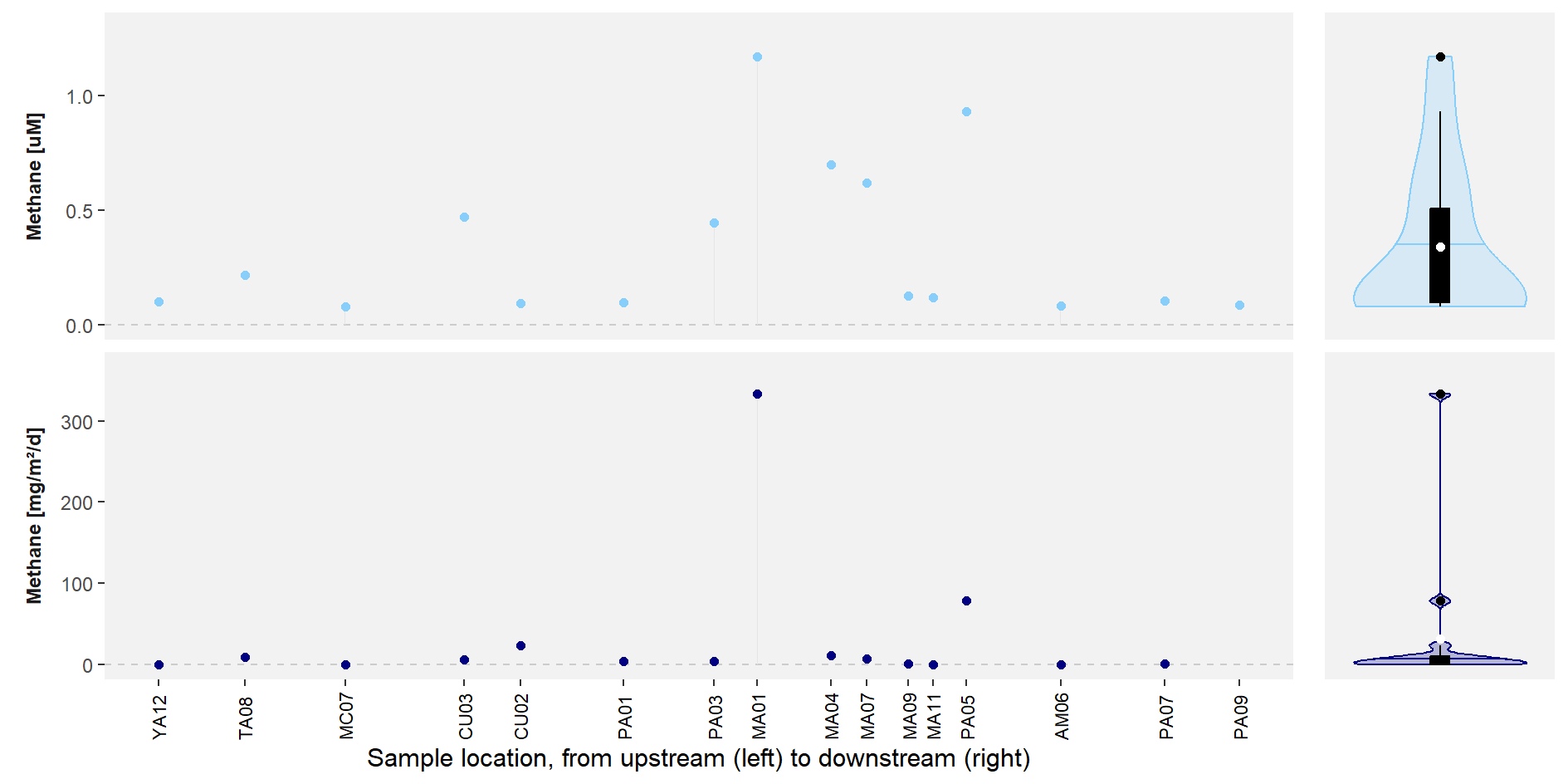
In addition to the more standard abiotic conditions, we also collected information on the presence and the emission of greenhouse gases in each of the 52 sampling sites. To get this data, we made use of a the headspace method (mixing 30 mL of water and 30 mL of air) and floating chambers (airtight containers sampled at fixed time intervals) on-site followed by the analysis of the obtained samples off-site. This data already resulted in some interesting patterns that are in line with previous campaigns. For instance, methane concentrations and emissions were the lowest in the upstream part of the Paute basin and highest in the Mazar reservoir (code 'MA'). Of special interest is the start of the reservoir (site MA01), displaying an excessive emission of methane and the highest dissolved level of the considered sites. This is a potential consequence of the introduction of carbon-based materials into the reservoir and the local upconcentration, though it also remains possible that this is a direct consequence of an ebullition event (sudden release of methane by the substrate, collected by the floating chamber).
Summary
A total of 52 sampling sites were selected and assessed for a variety of water quality parameters. The abiotic conditions showed a clear similarity with the previous campaigns, with clearly higher nutrient levels directly downstream of the city of Cuenca. Similarly, levels of dissolved greenhouse gases were generally higher in the Mazar reservoir, though an ebullition event may mask a similar pattern in the consideration of the emission levels.
More information can be found in the short report on the fifth sampling campaign [link].
Acknowledgement
We would like to thank M.K. Segura Paima, L.E. Sumba Sumba, D.M. Siguencia Calle, S. Gutierrez, and N.I. Guambaña Palaguachi for their help in collecting the samples in the field as well as their subsequent processing in the lab. We also thank D.G. Zuñiga Villegas for providing us with the necessary transport.